
Roofing Job Cost Monitoring Methods for Contractors
Discover effective roofing job cost monitoring methods to enhance profitability. Learn real-time tracking techniques and tools for success.
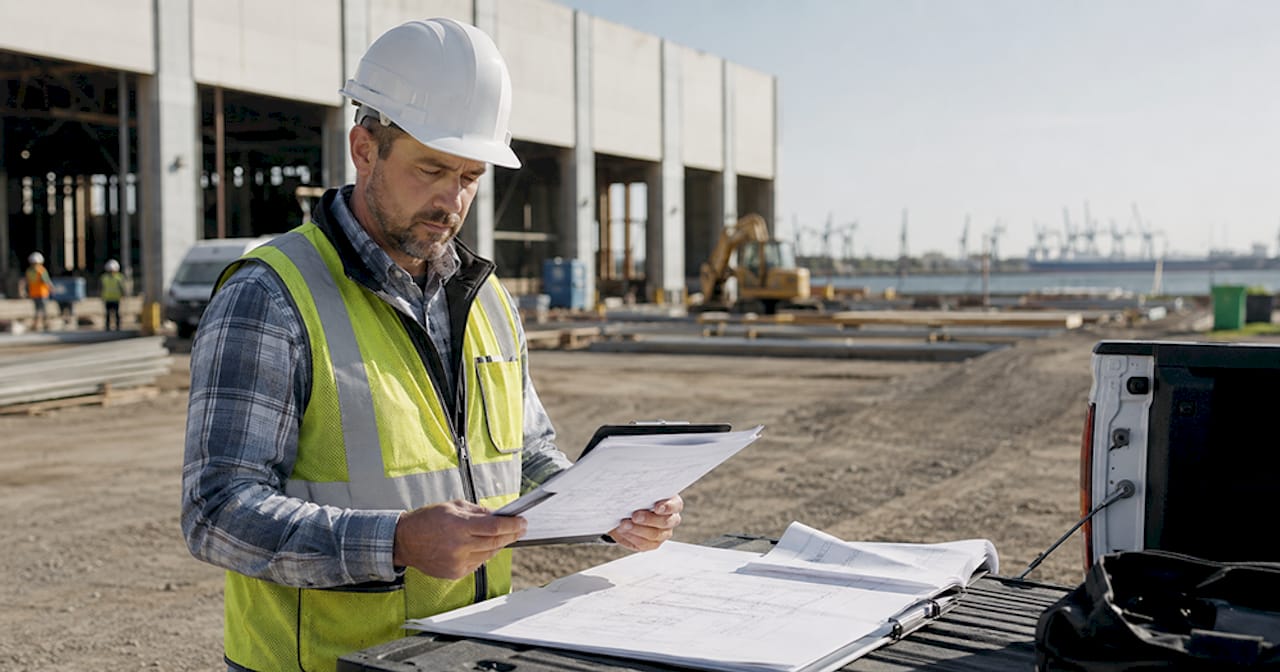
Roofing job cost monitoring methods are the processes and tools commercial roofing contractors use to track, analyze, and control all project expenses in real time to protect profitability. The industry standard term for this practice is job costing, and it covers every dollar spent on materials, labor, equipment, and subcontractors from bid to closeout. Platforms like Terial now make real-time job costing accessible for crews of any size. Contractors who treat job costing as a predictive science rather than passive bookkeeping make profits on purpose, not by accident.
1. What Are the Best Real-Time Cost Tracking Techniques for Roofing Jobs?
Real-time cost tracking is the foundation of every effective roofing job cost monitoring method. The goal is to capture expenses the moment they occur, not days or weeks later when the damage is already done.
Point-of-purchase expense coding is the most direct technique available. Field crews submit expenses tied to specific job codes using mobile devices at the point of purchase. This turns your crew into an extension of the accounting department and eliminates the retrospective guesswork that erodes margins.
Labor tracking is equally critical. Treating labor as a flat rate per square ignores real variables like roof pitch, fall protection requirements under OSHA 29 CFR 1926.501, and installation complexity. Ignoring those variables can miscalculate labor costs by 20–40%. Time clock tracking tied to job codes gives you actual labor cost data, not assumptions.
Platforms like Terial integrate both expense coding and time tracking into a single workflow. That integration means your job cost report updates as work happens, not after the fact.
Pro Tip: Set a rule that no field purchase over $50 gets made without a job code attached. That single policy closes the most common gap in real-time cost control.
2. How Do Accurate Measurements Improve Roofing Project Budget Tracking?
Measurement errors are one of the most expensive problems in commercial roofing. An underestimate of even a few squares at the bid stage can wipe out the margin on an entire job.
Drone and satellite imaging tools give contractors precise roof measurements before a single crew member sets foot on the building. Drone measurements prevent underestimating roof size by 4–8 squares per job. A typical drone report costs $20–$45. That small upfront cost avoids thousands in lost margin from underbidding.
Visual ground estimates introduce compounding errors. Estimators misjudge pitch, miss penetrations, and undercount flashing linear footage. Each error compounds into a larger budget gap by the time materials are ordered.
The table above shows a clear pattern. As job complexity increases, the cost of a measurement error grows faster than the cost of the measurement tool. Investing in accurate pre-job data is the cheapest form of cost control available.
3. What Role Does Dynamic Pricing Play in Cost Control in Roofing?
Gut-feel pricing is the fastest way to bleed margin on a commercial roofing job. The most profitable contractors tie their bids directly to current material costs and enforce a consistent markup formula.
Top contractors target blended gross margins of 25–35% and apply a 1.4x–1.6x markup to cover overhead and profit. That markup range is not arbitrary. It reflects the real cost structure of a commercial roofing business when overhead, insurance, and equipment depreciation are accounted for correctly.
Dynamic pricing tied to the NRCA Price Index adjusts bids for material price swings before they hit your job costs. When TPO membrane prices spike mid-quarter, a contractor linked to a cost index catches that change at the bid stage. A contractor using last quarter’s pricing absorbs the loss silently.
The most common margin leaks in commercial roofing pricing include:
- Bidding materials at last month’s supplier price without checking current costs
- Using a flat labor rate that ignores pitch and complexity adjustments
- Failing to include equipment rental, dump fees, and permit costs in the markup base
- Discounting bids to win work without recalculating the margin impact
- Not updating overhead allocation rates when crew size or office costs change
Fixing these leaks does not require a pricing overhaul. It requires a disciplined process applied consistently to every bid.
4. How Can Technology Solutions Automate Roofing Expense Management?
Disconnected tools are the primary reason commercial roofing contractors lose visibility into job costs. When your estimating software, time tracking app, and accounting system do not talk to each other, data falls through the gaps between them.
Roofing job costing software like Terial aggregates labor, material, and equipment costs automatically and produces financial reports that support faster decisions. The key differentiator between platforms is whether field crews actually use them. A platform with low field adoption produces incomplete data, which is worse than no data because it creates false confidence.
Terial is built specifically for commercial roofing contractors and connects estimating, field service, time tracking, and invoicing in one system. Crews log hours and expenses from the field using a mobile app. That data flows directly into job cost reports without manual re-entry.
Key features to evaluate when selecting roofing job costing software:
- Mobile expense coding tied to job numbers, accessible without a laptop
- Time clock integration that captures labor by crew member and job phase
- Automated cost variance alerts when a job exceeds its budget threshold
- Job-level profit and loss reports generated without manual spreadsheet work
- Integration with QuickBooks or your existing accounting platform
Pro Tip: Before selecting a platform, ask the vendor for field crew adoption rates from existing customers. A tool your crew ignores costs more than it saves.
5. How Does Job-Level Reporting Prevent Profit Erosion in Commercial Roofing?
The blended margin illusion is one of the most dangerous traps in commercial roofing. A contractor running 15 jobs might show a healthy average margin while three of those jobs are losing money and being subsidized by the profitable ones.
Mandatory job-level reporting breaks that illusion. Top contractors with detailed job cost reports achieve 18–22% profit margins. The industry average sits at 8–12%. That gap is not explained by better crews or lower material costs. It is explained by visibility.
Effective job cost monitoring tracks direct costs including materials at 40–50% of job cost, labor at 30–40%, and permits and dump fees in the remainder. Failing to track these costs promptly causes 8–12% profit erosion per job. Contractors who run pre-job audits save $1,200–$2,500 per job from unexpected costs caught before work begins.
The reports every commercial roofing contractor should review on every job include:
- Job cost summary: budgeted vs. actual for materials, labor, and equipment
- Labor efficiency report: hours budgeted vs. hours worked by phase
- Change order log: approved changes vs. costs incurred
- Subcontractor cost report: contracted rates vs. invoiced amounts
- Job closeout variance: final margin vs. estimated margin at bid
Reviewing these reports at job milestones, not just at closeout, gives you time to act. A cost overrun caught at 50% completion can still be recovered. One caught at 100% is just a lesson.
6. Why Subcontractor Cost Tracking Deserves Its Own Process
Subcontracted labor creates a blind spot in roofing job costing that most contractors underestimate. Subcontractors rarely carry the same burden costs as direct employees, which makes direct comparisons misleading.
Subcontracted labor rates must be tracked separately and benchmarked against direct crew costs on equivalent work. When you skip that comparison, you cannot tell whether subcontracting a specific scope is actually cheaper or just appears cheaper because burden costs are invisible. That distinction directly affects how you bid future work.
The fix is straightforward. Create a separate cost code for subcontracted labor in your job costing system. Track the total invoiced amount against the budgeted subcontract allowance for every job. Review that variance at closeout and use it to calibrate future bids.
For real-time labor tracking to work across both direct crews and subcontractors, your field app needs to capture both. Platforms that only log employee time leave subcontractor costs as a manual entry, which reintroduces the lag and error that real-time tracking is designed to eliminate.
7. How to Build a Cost Monitoring Culture on Commercial Roofing Jobs
Technology does not fix a culture that treats cost tracking as optional. The contractors who achieve top-quartile margins build cost monitoring into every role, not just the office.
Moving from passive bookkeeping to proactive job costing requires three shifts. First, field supervisors own job code accuracy, not just production speed. Second, project managers review cost reports at weekly intervals, not at job closeout. Third, estimators receive feedback on bid accuracy after every job so future estimates improve.
The automated reporting that platforms like Terial generate removes the friction from that third step. When a project manager can pull a job cost report in two minutes instead of two hours, they actually pull it. Frequency of review is the variable that separates contractors who catch problems early from those who discover them at invoice time.
Roofing expense management is not a finance function. It is an operations function. The crews, supervisors, and project managers who execute the work are also the people who generate the cost data. Building that accountability into daily workflows is what separates the 18–22% margin contractors from the 8–12% average.
Key Takeaways
Top-quartile commercial roofing contractors achieve 18–22% profit margins by combining real-time expense coding, accurate pre-job measurements, disciplined markup enforcement, and job-level reporting reviewed at every project milestone.
How Terial Supports Real-Time Job Cost Monitoring
Fragmented tools are the root cause of most cost monitoring failures in commercial roofing. When estimating, time tracking, and reporting live in separate systems, data gaps are inevitable. Terial connects every workflow, from bid to invoice, in one platform built for commercial roofing contractors. Field crews log hours and expenses from the job site using a mobile app, and that data flows directly into job cost reports without manual re-entry. Project managers see live budget vs. actual figures without chasing spreadsheets. Terial’s automated alerts flag cost overruns before they compound. If you want to track labor hours with the accuracy your margins require, the labor tracking features built into Terial are worth a close look.
FAQ
What Are Roofing Job Cost Monitoring Methods?
Roofing job cost monitoring methods are the tools and processes contractors use to track materials, labor, and overhead costs against a job budget in real time. The goal is to catch overruns early enough to act on them.
How Does Real-Time Job Costing Work In Commercial Roofing?
Real-time job costing captures expenses at the point of purchase using mobile devices tied to job codes, so cost reports update as work happens rather than after the job closes.
What Profit Margin Should Commercial Roofing Contractors Target?
Top commercial roofing contractors target blended gross margins of 25–35% using a 1.4x–1.6x markup. Contractors without disciplined job costing typically land in the 8–12% range.
Why Do Drone Measurements Improve Cost Control?
Drone measurements prevent underestimating roof size by 4–8 squares per job. That accuracy at the bid stage protects margin before a single material order is placed.
What is the Blended Margin Illusion in Roofing?
The blended margin illusion occurs when a contractor’s average job margin looks healthy while individual losing jobs are being subsidized by profitable ones. Job-level reporting is the only way to see it clearly.
Recommended
- Real-Time Labor Tracking Benefits for Roofing Contractors
- How to Track Labor Hours for Maximum Project Profit
- Subcontractor Management for Commercial Roofing Projects
- Roofing Project Milestone Workflow: A Contractor’s Guide


More articles



Book a personalized demo
Get a 30-minute demo tailored to how you run your commercial roofing business

“Making the switch to Terial has greatly exceeded my expectations and has already had a meaningful impact on our team’s productivity. Terial has significantly reduced the amount of time required to complete many of our day-to-day operational tasks, allowing our team to focus more on serving our customers.”

