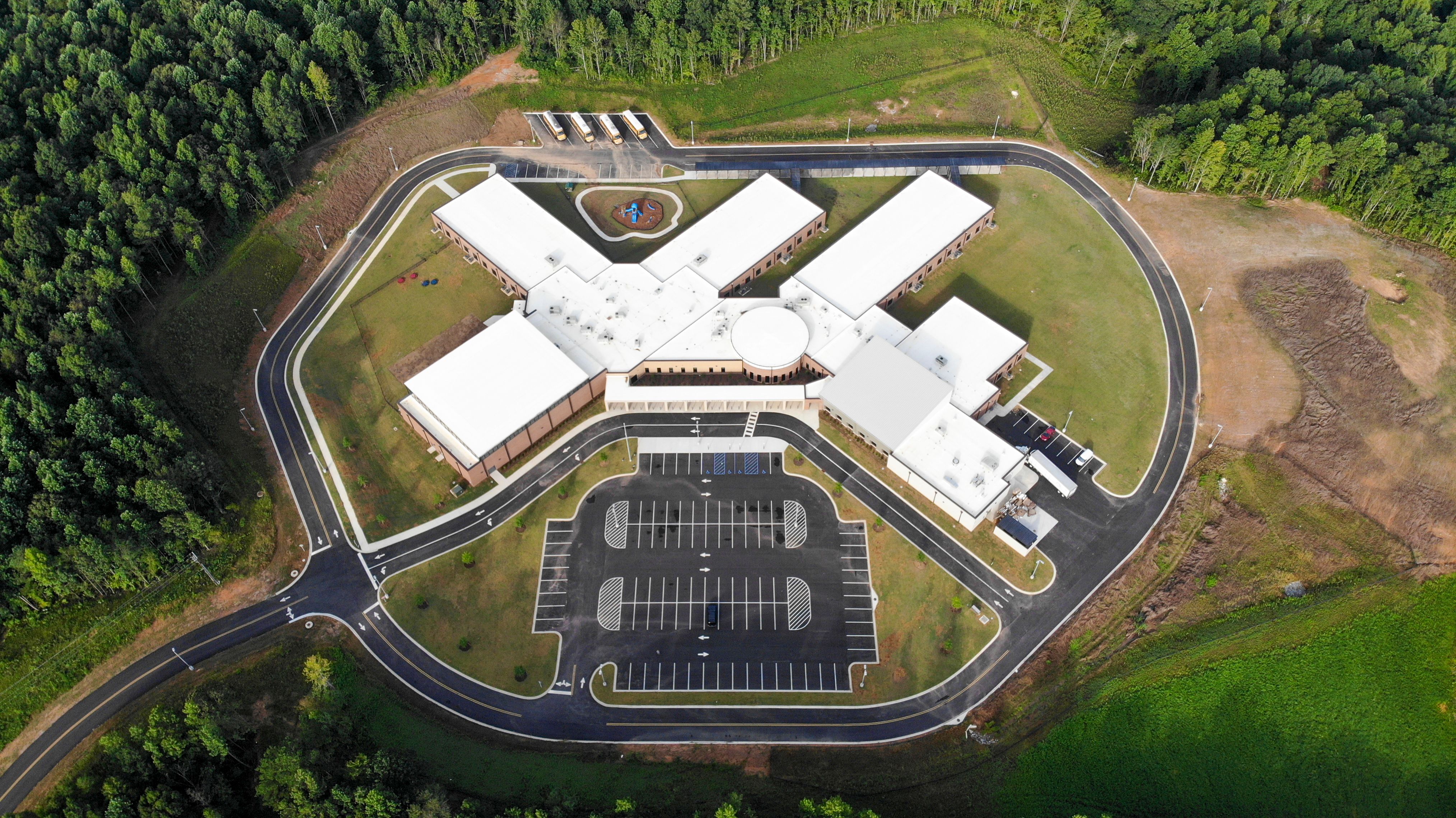
How James King Roofing Grew Service by 171%
James King Roofing is a 110-person commercial roofing contractor in Seattle. As the company scaled past $25M, their legacy platform couldn't keep pace, especially on the service side where scheduling, reporting, and crew coordination were fragmented. Since switching to Terial, James King has grown service ticket volume 171%, now managing thousands of tickets a year with 59% margins and $25M+ in combined revenue running through one platform.


James King Roofing
Their legacy platform couldn't keep up: manual workflows, no real reporting, and zero visibility across service, sales, and production.

- 171% service ticket volume growth: Service volume more than doubled, with the team now managing thousands of tickets annually, all dispatched and tracked through Terial.
- 59% average service margins: Field documentation and real-time job cost tracking give the team visibility to catch overruns before they eat into margin. 75% of service jobs maintain margins above 50%.
- 75% increase in positive customer feedback: Clean, professional daily reports consistently sent the same day as work conducted.
The Challenge
Legacy Platform Couldn't Keep Pace With Growth
James King Roofing built their operation on a platform that, for a time, did what it needed to do. But as the company scaled from a small crew to a 110-person operation managing multiple service teams, production projects, and a growing customer base across the Seattle market, the cracks became impossible to ignore. The service module, arguably the most critical piece of James King's daily workflow, hadn't evolved in any meaningful way. Daily reporting to customers required cobbling together workarounds. Crew scheduling was manual and error-prone. There were no vendor-provided safety checklists for field compliance, no built-in CRM to track customer relationships over time, and no unified way to see what was happening across service, sales, and production from a single screen. The team was spending more time working around the software than working inside it.
James King is, by philosophy, as much a customer service company as a roofing company. Their reputation was built on responsiveness, clean communication, and making customers feel taken care of from the first call through final invoicing. But the platform they were running on made that increasingly difficult to deliver at scale. Dispatching crews meant phone calls and spreadsheets. Collecting field photos and getting professional reports back to customers the same day was a logistical headache. Job costing data lived in one place, scheduling data in another, and customer history in yet another, if it was tracked at all. As ticket volume grew and the team expanded, every manual handoff became a bottleneck, and every bottleneck created risk: missed dispatches, delayed reports, scope drift eating into margins, and customer-facing communication that didn't reflect the standard Mike Lowery and his team held themselves to.
The breaking point came when their vendor announced potential closure rumors and then rolled out a so-called "next-generation" version that promised to fix the problems the team had been raising for years. Instead, it created new ones. The updated platform was confusing, poorly documented, and harder to use than what it replaced. Training was rough. Adoption stumbled across the team. Features that had worked, even if imperfectly, now felt broken or buried. Mike and his team realized they weren't going to get what they needed by waiting for incremental improvements from a vendor that didn't seem to understand how roofing companies actually operate day to day. They needed to start over, and this time, they needed to find a partner who was building software specifically for contractors like them.
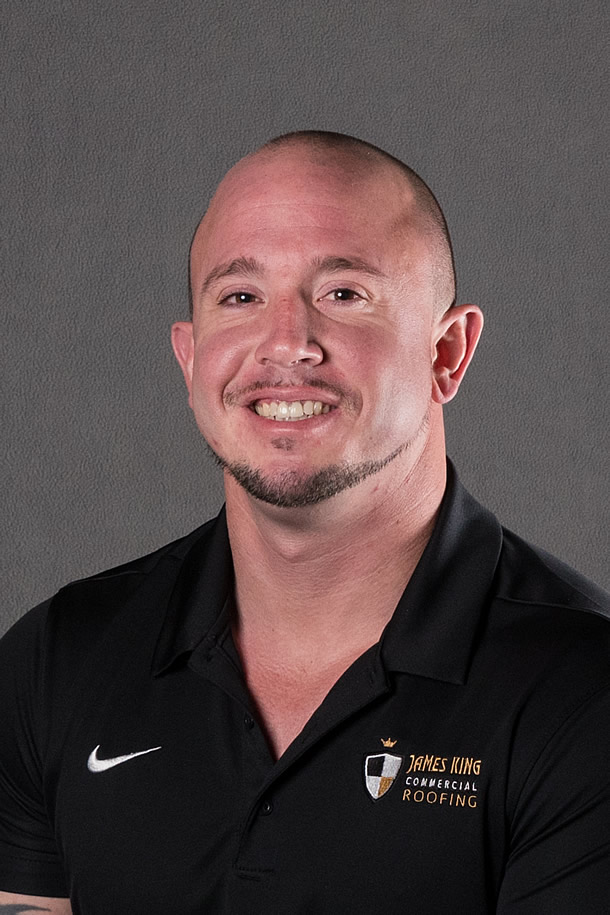
"With our old system, we had to adapt a lot of it to our needs. The daily reporting was difficult and kind of non-existent. The production module was mediocre at best."
The Solution
Why James King Chose Terial
James King began evaluating alternatives with a clear set of priorities. The software had to be intuitive enough for field crews to adopt without weeks of training. It had to treat service operations as a first-class workflow, not an afterthought bolted onto a production-focused platform. And it had to come from a team that understood the roofing industry deeply enough to build tools that matched how contractors actually work, from dispatch and scheduling, to daily customer reports, to job costing and invoicing. Most critically, Mike and his team were done with vendor relationships that felt transactional. They wanted a partner who would listen, respond to feedback, and evolve the product alongside its customers rather than dictating a roadmap from a distance.
Terial stood out almost immediately. The platform was purpose-built for roofing contractors, and it showed in every detail: the way dispatch and scheduling worked, the way daily field reports could be generated with photos and notes and sent to customers the same day, the way time tracking, safety checklists, and CRM data all lived in one system instead of being scattered across disconnected tools. But what sealed it for Mike wasn't just the feature set. It was the way the Terial team operated. From the first conversation, they approached James King as a partner. They asked questions about how the business ran. They took feedback seriously and acted on it. That kind of relationship, where both sides are genuinely invested in the other's success, was something Mike had never experienced with a software vendor. It changed what he thought was possible from a technology partner.
The implementation confirmed that the decision was the right one. James King's entire team was up and running on Terial in two days. There was no drawn-out training period, no resistance from field crews, and no painful transition where half the team was on the old system while the other half struggled with the new one. People picked it up because it worked the way they expected software to work. Dispatchers could see crew availability in real time. Field techs could log time, complete safety checklists, and capture job photos from their phones. Service managers could pull up customer history, track open tickets, and generate reports without switching between three different applications. The team went from fighting their software to actually relying on it, and the operational benefits started showing up almost immediately.
Features
The Results
Operational Efficiency, Financial Impact, and Growth
- Service volume grew 171% in under a year.
- Positive customer feedback up 75% with daily reports.
- 2X'd peak volume seamlessly.
- Service margins averaging 59% with real-time job costing.
- Pipeline velocity improved roughly 20% through shared visibility.
- Unified operations led to record service invoicing.
- Legacy system data migration in 2 weeks.
- Full team adoption in two days.
- As James King scales, Terial scales with them.
"Since we've made the switch to Terial, our positive reporting back from customers is up at least 75%. The communication and the daily reports, they look amazing."
Looking Forward
James King Roofing is actively using Terial's Service, CRM, and Production modules. The platform has become central to how they operate: dispatch, reporting, billing, payroll, and pipeline visibility all flow through it. Today, $25M+ in combined revenue runs through the system across scores of production projects and thousands of service tickets.
As the company continues its growth trajectory, Terial scales with them. Mike and his team are no longer managing around software limitations. They're focused on what they do best: customer service and operational excellence. They've recommended Terial to multiple competitors, all of whom have adopted it and come back saying the same thing: this is what partnership looks like.
When asked what it would take to make a platform change again, Mike's answer was clear: "I don't see us ever making a change."
Ready to achieve similar results?
.png)