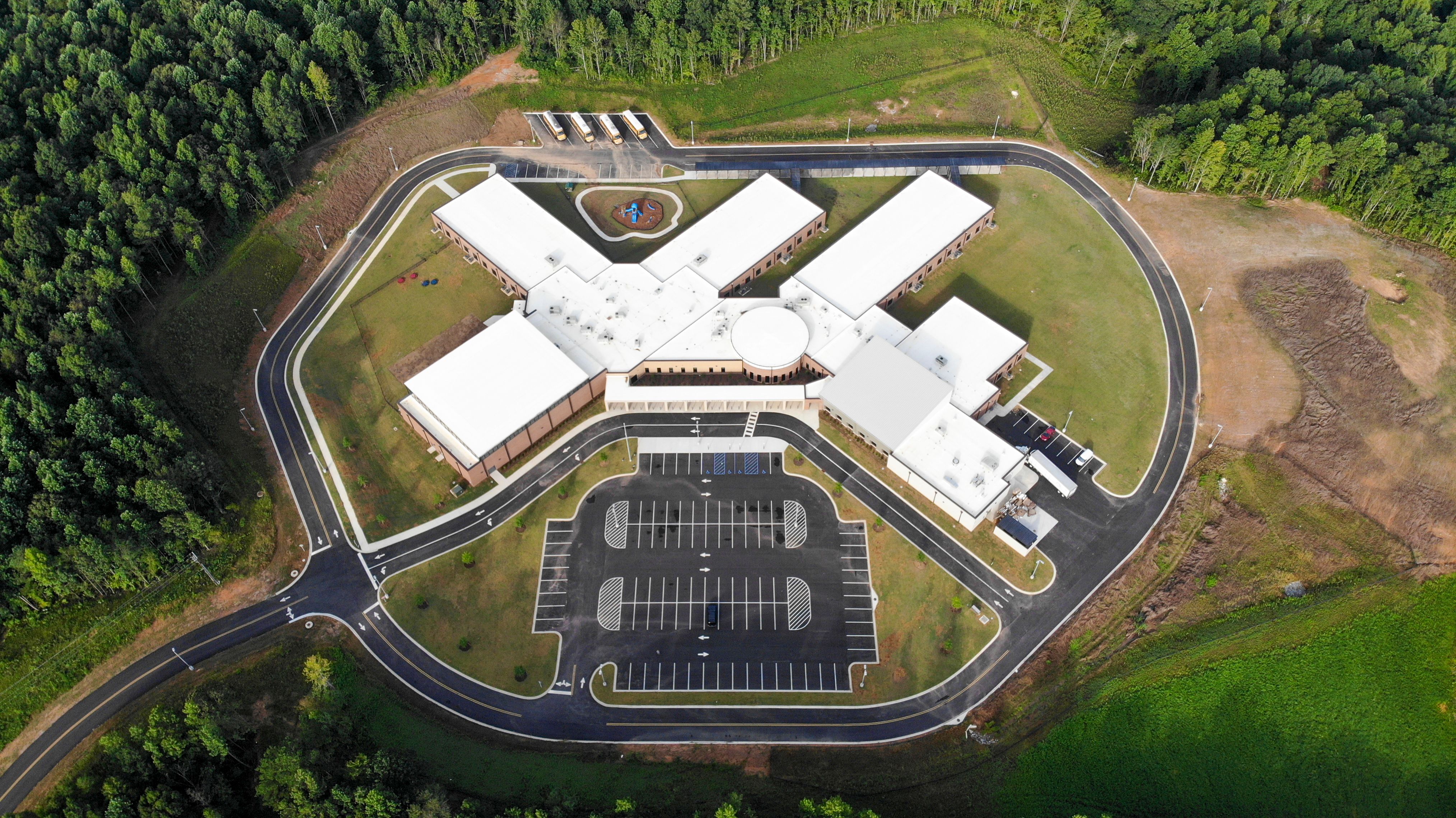
How Damschroder Roofing Closed 15% More Jobs With Terial
Damschroder Roofing, a 60+ employee commercial roofing contractor in Fremont, Ohio, went from managing sales through disconnected spreadsheets and multiple software systems to running their entire operation through a single platform. The result: a record number of production jobs closed (up 15%), a 10% improvement in service margins, and the confidence to forecast revenue with 80% certainty.


Damschroder Roofing
Their disconnected tools couldn't scale: no shared source of truth, duplicate work across departments, and hours lost reconciling data.

- 15% more production jobs closed: Record production volume driven by pipeline visibility and faster cycle times.
- Service gross margins increased by 10%: Real-time job costing gives the team immediate visibility.
- 99% same-day invoicing: Unified operations eliminated lags between field work and invoiced revenue.
The Challenge
Disconnected Systems, No Source of Truth
Before Terial, Damschroder ran their business on a patchwork of tools that couldn’t talk to each other. Sales data lived in one system, production scheduling in a custom Gantt chart, service tracking in yet another. Each tool worked in isolation, but none of them gave the team a complete picture of what was happening across the operation. Ian Rammel, Sales Manager (now COO), had to pull four or five separate reports just to see what deals were closing, and even then, the picture was fragmented. The reports cost money to customize, arrived late, and showed only pieces of the pipeline.
The visibility problem rippled across every department, making forecasting and strategic planning feel like guessing, because it essentially was.
The fragmented approach didn’t just hurt visibility; it created friction at every handoff. Service and sales teams would approach the same customer without knowing the other had already been in touch. Salespeople manually logged information into the CRM, re-typing emails into notes, and entering deal details by hand. Service teams couldn’t see what sales had promised, so they’d ask the same questions again. Production had no easy way to see scope or materials before showing up on site. Leadership spent hours each week reconciling data across systems just to get an accurate read on what was actually happening.
"The biggest pain point for me was always the cross-departmental communication," Ian says.
Without a shared source of truth, every handoff between departments created risk: missed follow-ups, duplicated work, misaligned pricing, and customer-facing miscommunication that didn’t match the standard the team held themselves to.
By late 2024, Damschroder was targeting continued growth and felt genuinely limited by their operational tooling. The systems that had gotten them this far couldn’t take them further, not without the kind of manual workarounds that ate up time without adding intelligence. Ian heard about Terial through a peer group and immediately recognized it addressed the core problem: no single platform unified sales, service, and production into one view. The company moved quickly, bringing Terial on at the end of 2024 with a clear goal: replace the patchwork with a system built specifically for how commercial roofing contractors actually operate.
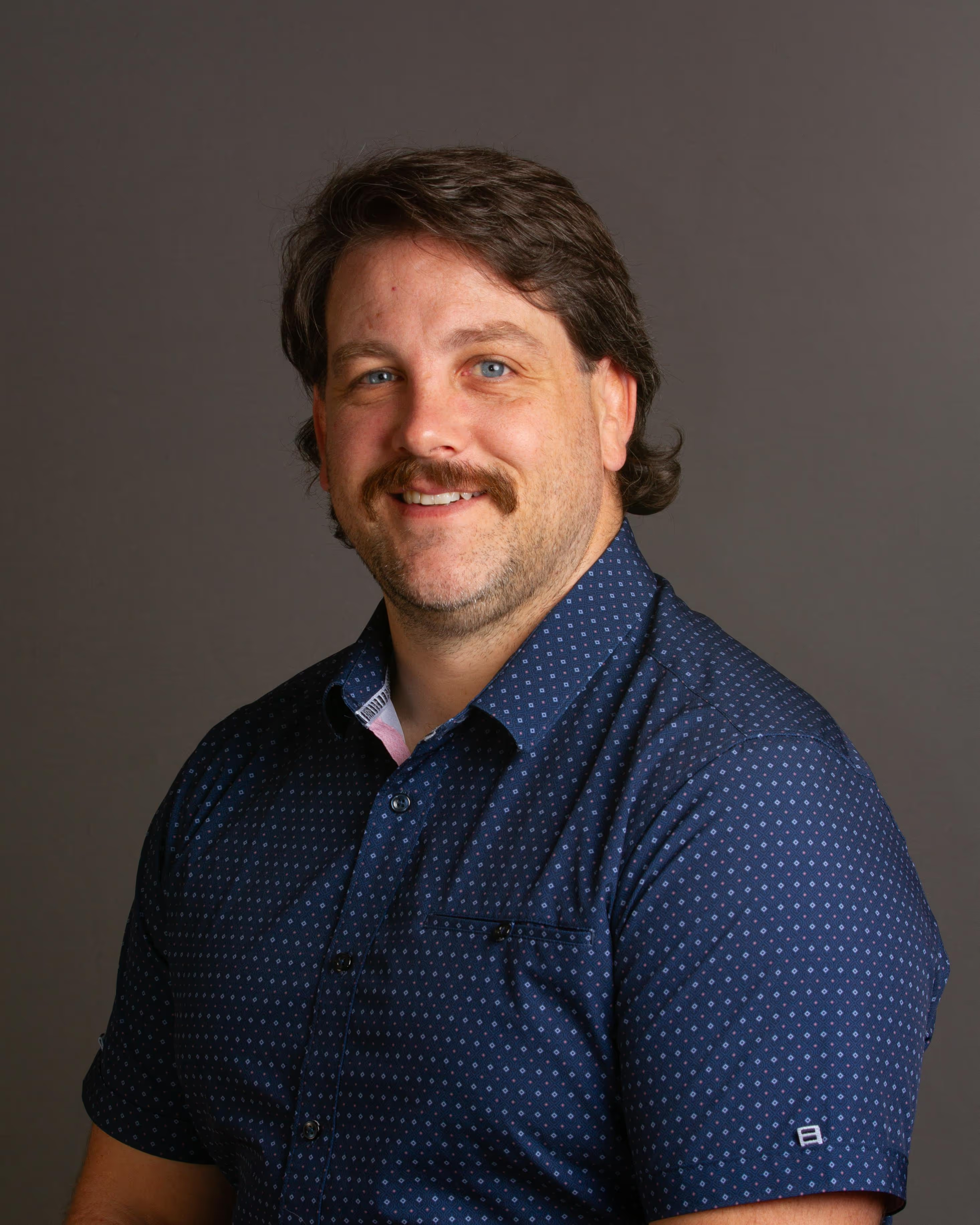
“Pulling sales reports was almost impossible. I had to get four or five different ones and pull them together just to see what was closing.”
The Solution
Why Damschroder Chose Terial
Damschroder needed a system that unified sales, service, and production, not as separate modules bolted together, but as one cohesive operation. The team evaluated alternatives basedon how they handled cross-departmental workflows, real-time reporting, and ease of adoption for both office staff and field crews. Most options required workarounds or custom integrations to do what Damschroder needed out of the box. The team wasn’t interested in another system that promised flexibility but delivered complexity. They wanted software that understood how a commercial roofing company actually runs, from pipeline management through job costing and invoicing, without requiring every department to maintain its own set of tools and workarounds.
Terial stood out because it was built specifically for commercial roofing contractors and solved the exact problem Damschroder faced: fragmented visibility across the full job lifecycle. The platform didn’t treat service as an add-on to production or CRM as a standalone module. Everything connected. Sales pipeline data flowed into job costing. Daily field reports fed back into customer records. The team could see what was happening across departments from a single screen, something that had been impossible with their previous setup. But the feature set alone wasn’t what sealed it. The Terial team approached the relationship as a partnership, not a transaction. They listened to how Damschroder operated, responded to feedback quickly, and built the onboarding around the company’s specific workflows rather than forcing a generic playbook.
Implementation moved fast. Terial’s onboarding team spent two days on-site working with Damschroder’s entire staff, including field technicians. Weekly follow-up calls helped the team clear blockers as they surfaced. Within weeks, nearly 95% of operations were running through the platform. Ian now keeps two tabs open all day: Terial and email. Sales people stopped re-entering information. Service coordinators got visibility into the full job immediately, without chasing staff. Production teams saw scope and materials before arriving on site. The manual work that used to consume hours without adding intelligence simply disappeared, and the operational benefits started showing up almost immediately.
Features
The Results
Record Jobs, Stronger Margins, and a Team That Scales
- Record production jobs closed, quarterly YoY stats up 50%.
- Deals closing 60%+ faster with no drop in deal quality or size.
- Forecast confidence jumped from ~25% to 80%.
- Service margins improved 10% with real-time job costing.
- Predictable, quoted service work grew from 1% to 47% of total service revenue.
- Inspections grew 155% YoY, preventative maintenance grew 8x.
- 95% of the entire team logs into Terial daily.
- Weekly reconciliation time cut by 50%.
- Same-day invoicing jumped from ~1% to 99%.
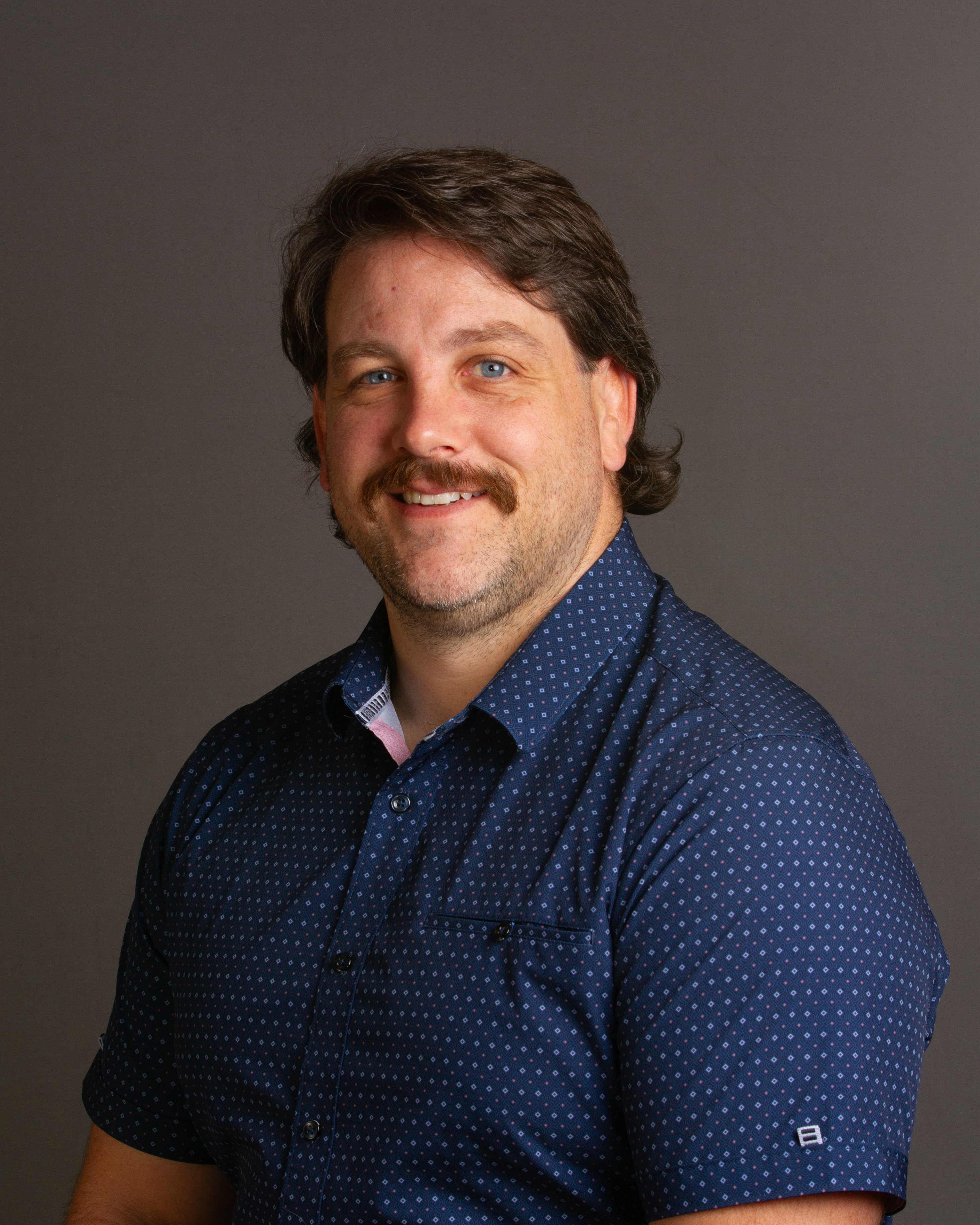
“The visibility is a lot more transparent. You can actually trust what your guys are saying versus having to go off of gut feel.”
Looking Forward
Damschroder continues to deepen their usage of Terial quarter over quarter. The accounting integration is next, which will reduce reconciliation time even further. The team is also maturing their use of production job costing, updated Gantt charts, and lead generation features, with each quarter bringing new workflows and new opportunities to automate what used to be manual.
Ian and his team treat Terial as the system of record for all operations. Ian was even recently promoted from sales manager to COO! As Damschroder targets their next revenue milestone, the platform gives them the visibility and coordination to scale without losing control.
"You guys are definitely contractor-focused, and you mean what you say. If we email with a question, we usually have a response within minutes." - Ian Rammel, COO
The journey from fragmented spreadsheets to unified operations took simply weeks. The impact will compound for years.
Ready to achieve similar results?
.png)